Resilience Planning
We know from our depth of experience that true resilience lies in the interstitial tissue of strong communities, not just in hardened infrastructure. The Resilience Planning offering is a unique blend of our Local Context and Data Analysis and Communications and Engagement Teams for three-dimensional, actionable results.
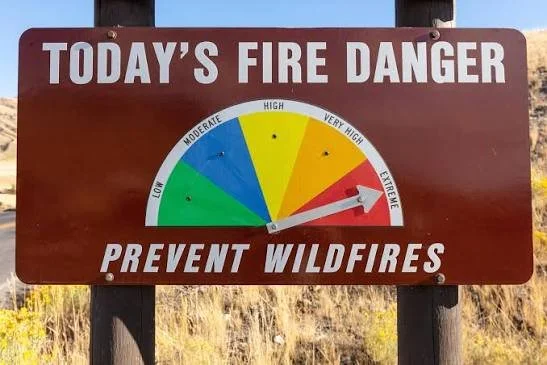
Mitigation, adaptation, and resilience are not singular actions, but rather an iterative and continual process. Communities and organizations recognize the need to understand and prepare for the impending impacts of climate change as well as natural hazards exacerbated by climate change. As a part of the planning process, climate risk and vulnerability assessments and resilience hub research and development help turn understanding into practical actions that protect people, strengthen services, and lead to long-term community resilience.
Contact us today to learn more about our Resilience Planning Services!

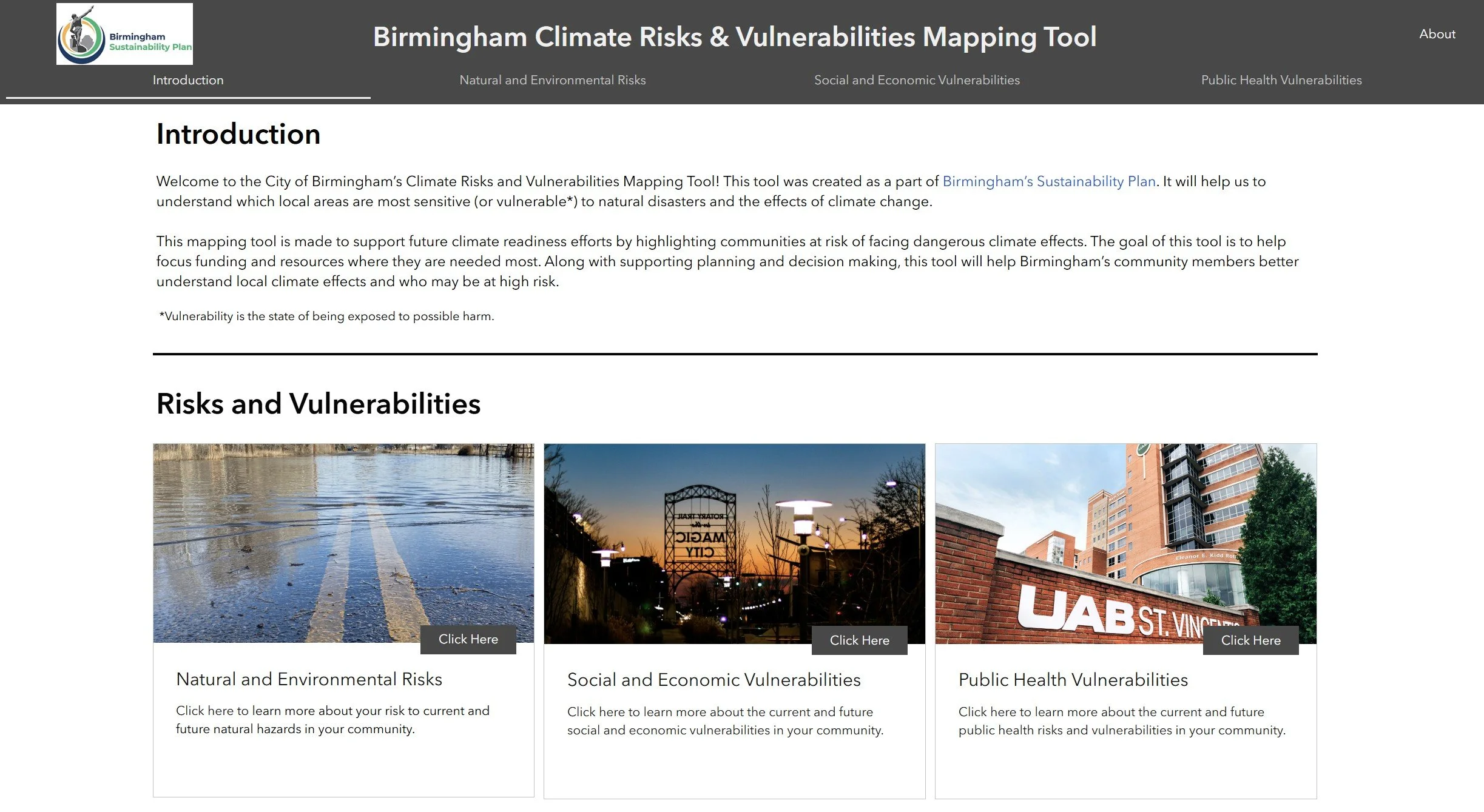
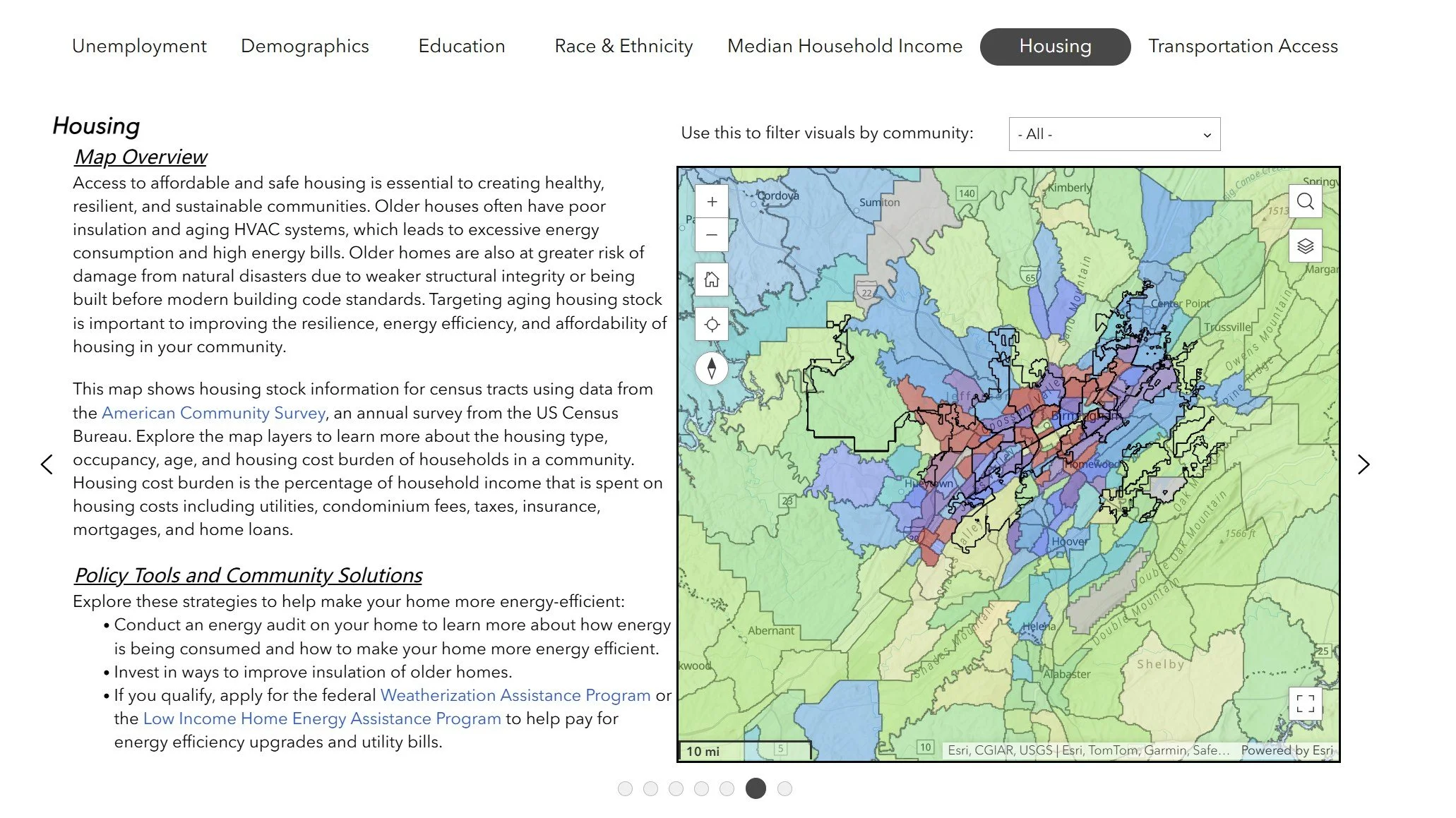
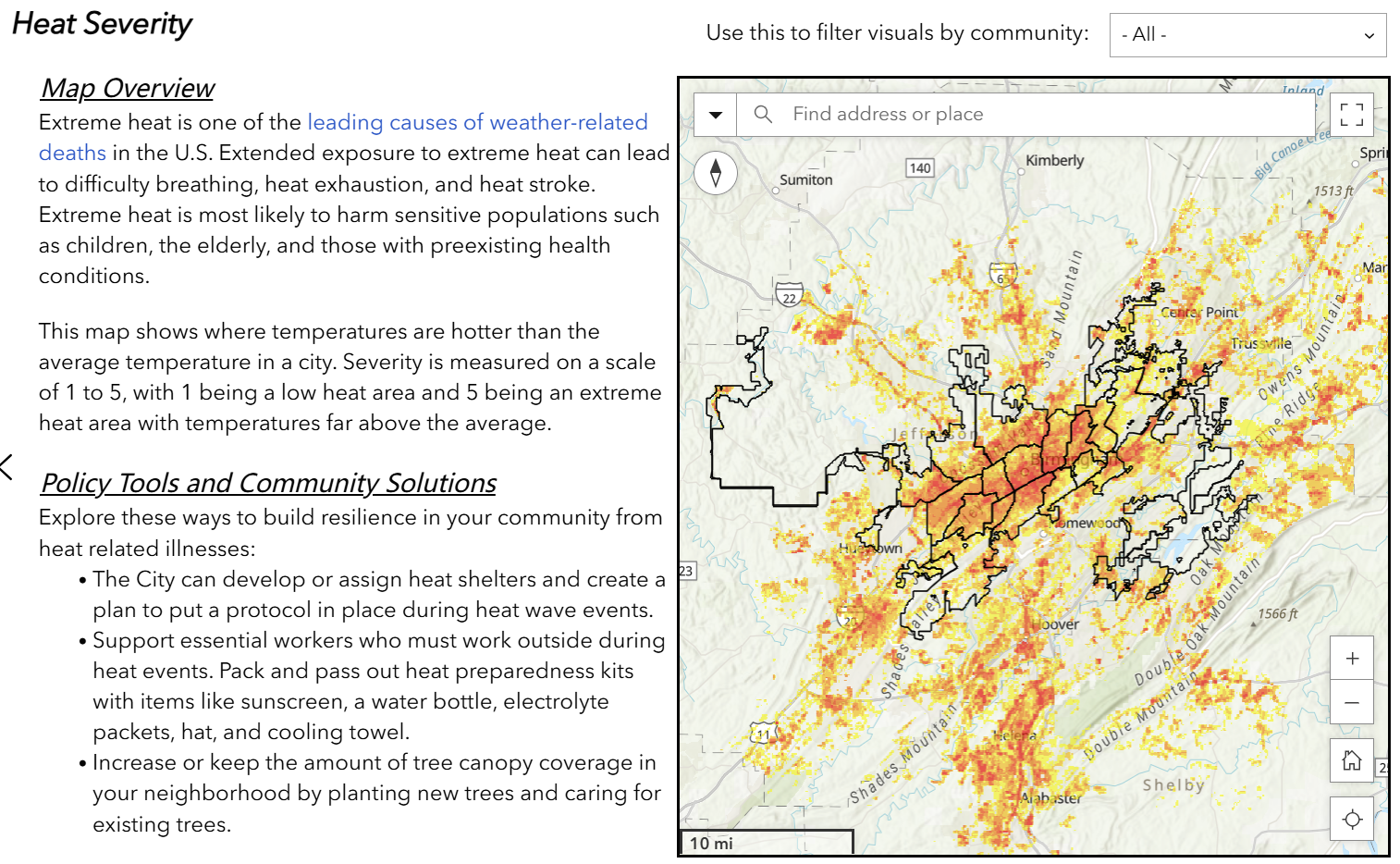
City of Birmingham, Alabama
Resilience Planning
Our resilience praxis is informed by the National League of Cities, Urban Sustainability Directors Network, the U.S. Climate Resilience Toolkit, US Department of Housing and Urban Development Resilience Toolkit, the International Federation of Red Cross and Red Crescent Societies various resources, and the United Nations Office for Disaster Risk Reduction catalog of toolkits. We integrate these approaches to provide national best practices and lessons learned, but we never take a one-size-fits-all approach to resilience planning.
Engagement
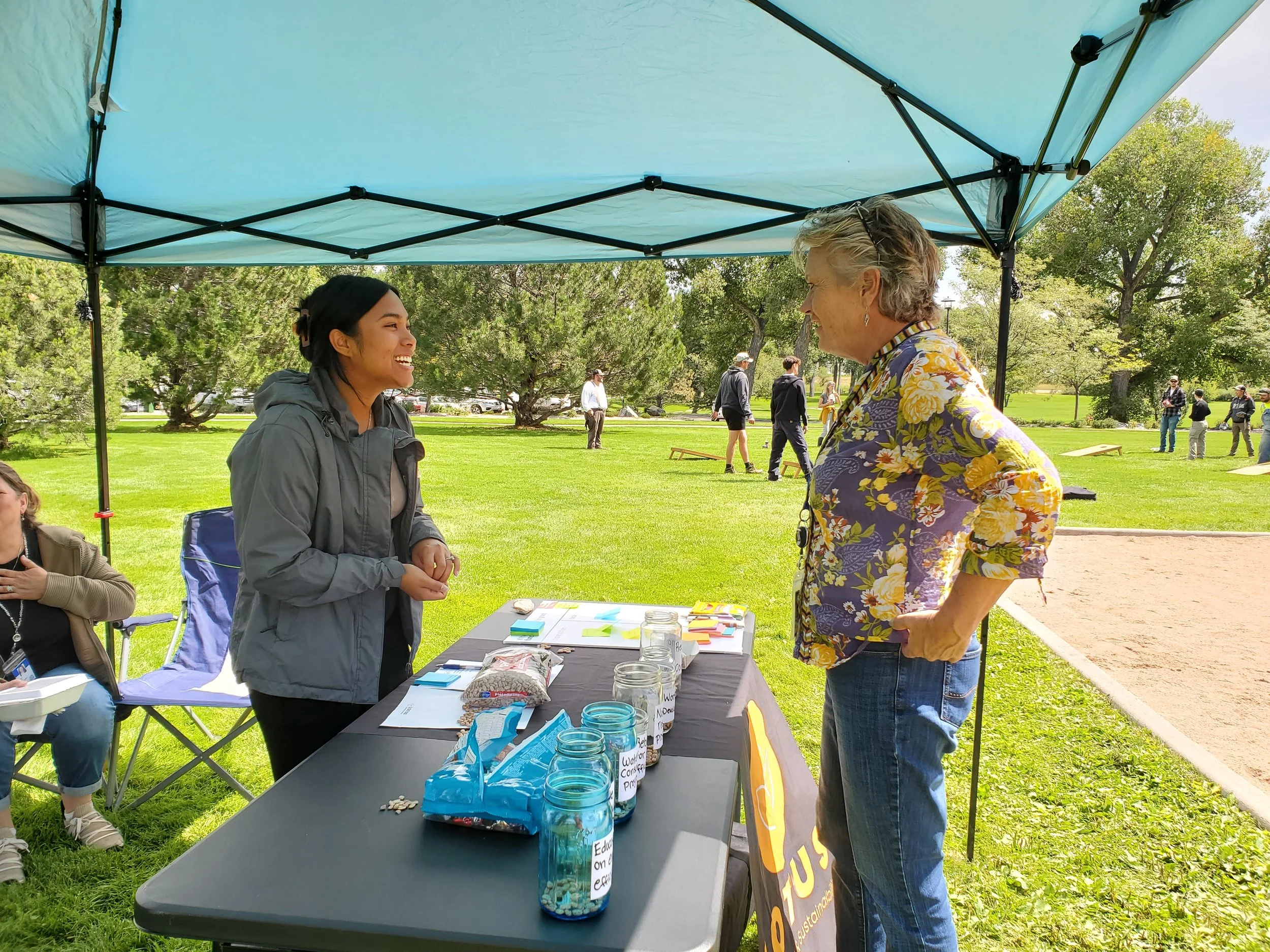
At Lotus, we believe that resilience is not just built behind a desktop, but by engaging with the community to better understand what challenges and opportunities exist on the ground and in the real world. We use engagement tools like participatory mapping, focus groups, and listening sessions (amongst others) to help us understand the community’s adaptive capacity and the magnitude of consequence of climate hazards. Combining this engagement with scientific data helps to create plans and assessments that are rooted in community and help build a community’s resilience in tandem with those who are on the ground.
Climate Risk and Vulnerability Assessments
Our team of experts has extensive experience creating climate risk and vulnerability assessments that are unique to the community. Our work helps communities understand the environmental shocks and stressors they face, make connections across sectors to leverage resources and ideas, develop solutions that address multiple challenges, and build momentum on adaptability and preparedness. We pair empirical data with what we learn from community engagement to assess climate risk and vulnerability for the community and its most important assets.
Resilience Hubs
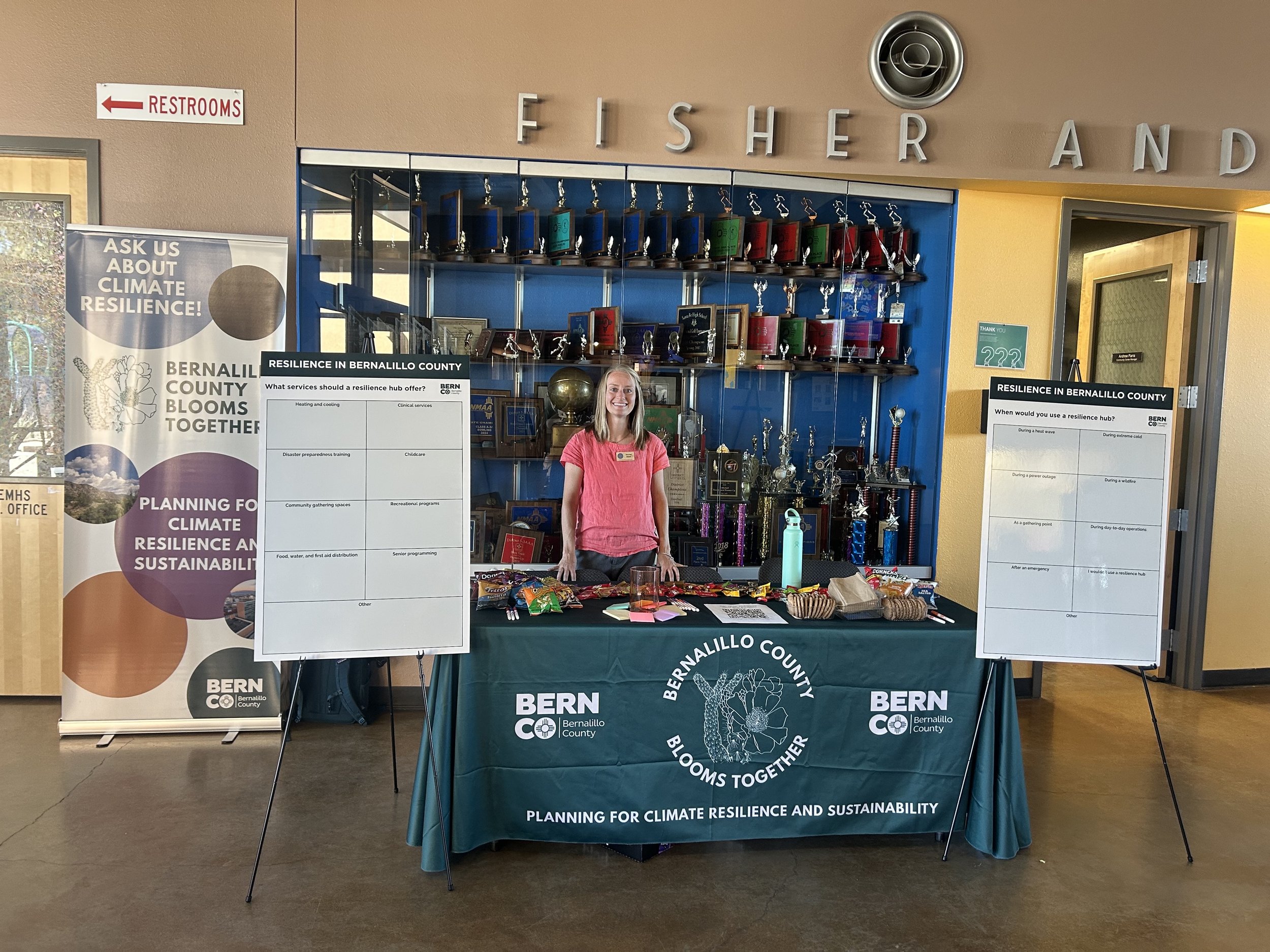
Lotus has emerged as a national leader in resilience hubs and networks. Most recently, we have supported Bernalillo County, New Mexico and Denver, Colorado with defining the purpose and structure of resilience hubs and human networks, crafting methodologies and implementation pathways, identifying roles and responsibilities, and creating fiscal strategies. We understand that resilience hubs must be rooted in the fabric of a community to cultivate trust and to identify and deliver on the appropriate community needs and services.
Accreditations and Certifications
Recent Resiliency Work