
Lotus Newsletter June 2026

Summer sustainability
Celebrating Resilience
Lotus News
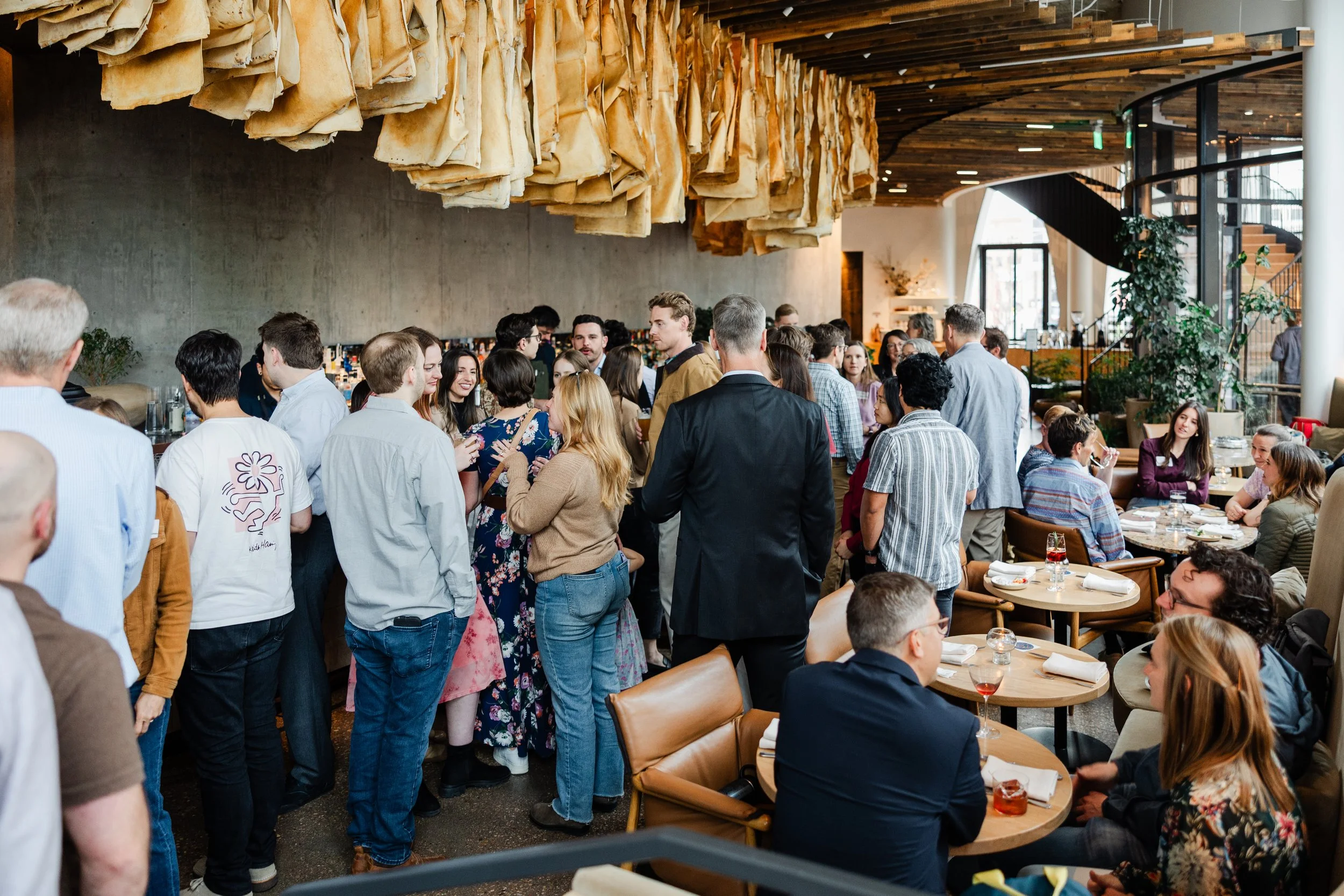
Populus Party
In April, Lotus hosted an event at Populus in downtown Denver to celebrate sustainability and the hard work of our clients and partners working in climate action. Populus, a client of Lotus, is a leader in sustainable hospitality and is known to be Denver’s first carbon positive hotel. Activities such as tracking greenhouse gas emissions, composting 100% of food waste, and using 100% renewable energy help the hotel monitor and limit its carbon footprint.
We are thankful for the artistry of Mat Schramm Photography for capturing our event.
Website: https://matschrammphoto.com/
Instagram: @matschrammphoto
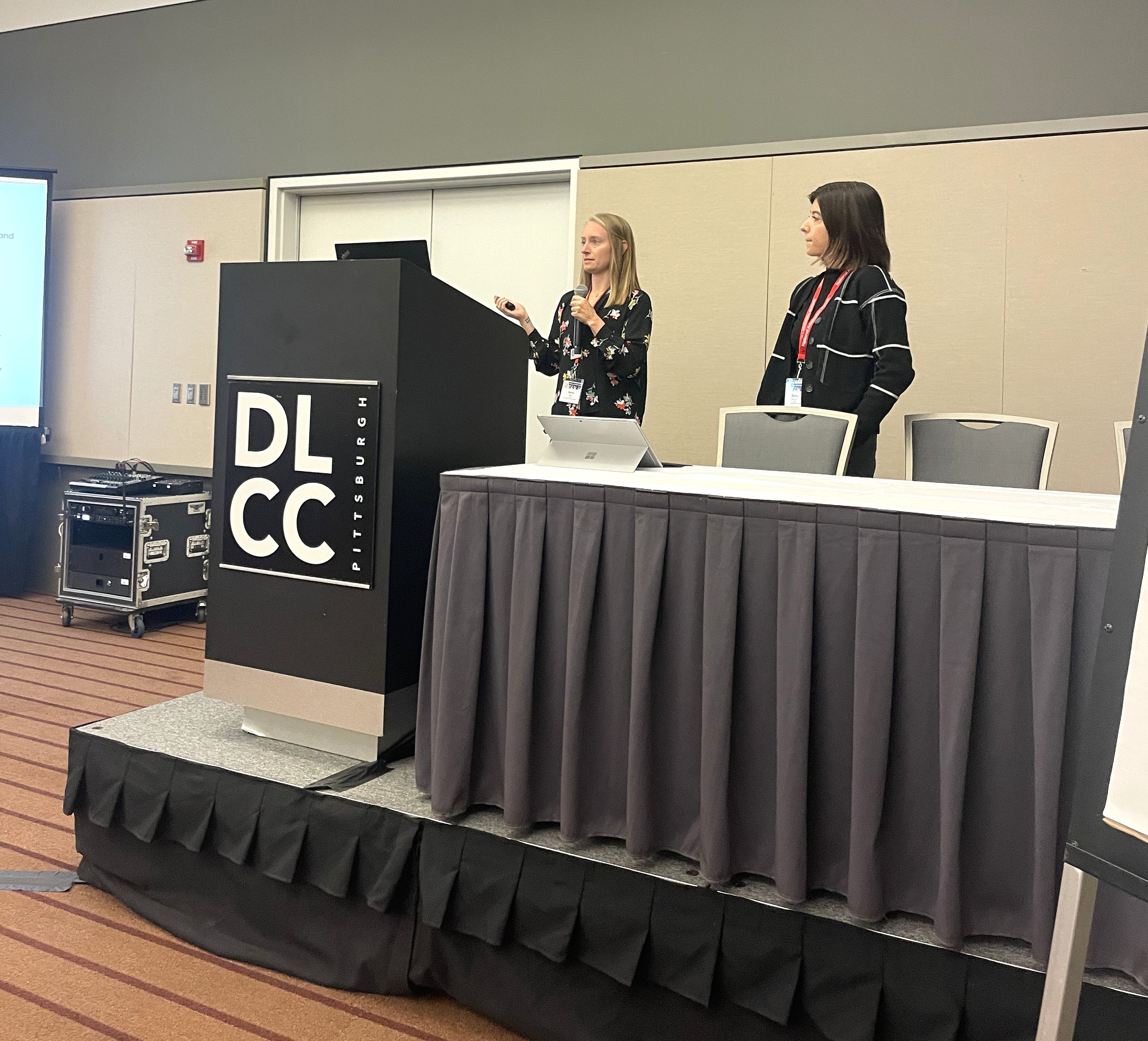
Lotus at Resilience Conferences
This spring, Lotus’s Rachel Meier and Shelby de Jongh (pictured above) attended and presented at the 2026 National Adaptation Forum in Pittsburgh, PA. The pair presented on the vulnerability mapping tool and vulnerability analysis that Lotus developed for the City of Birmingham, AL. Lotus was excited to learn and share knowledge on existing and emerging climate adaptation challenges.
In March, Ally Mark and Julia Newman attended the Midwest Climate Summit 2026 in Cleveland Ohio. The Summit was a premiere event in the region for those responding to the climate crisis in the Midwest.
In April, Hillary Dobos and Tom Herrod attended and presented at the South Central Climate Resilience Forum in San Antonio Texas. Hillary spoke on Lotus’s resiliency work with the City of Edmond, Oklahoma. Lotus enjoyed connecting with others to learn and increase our understanding of climate-related challenges faced in the region.
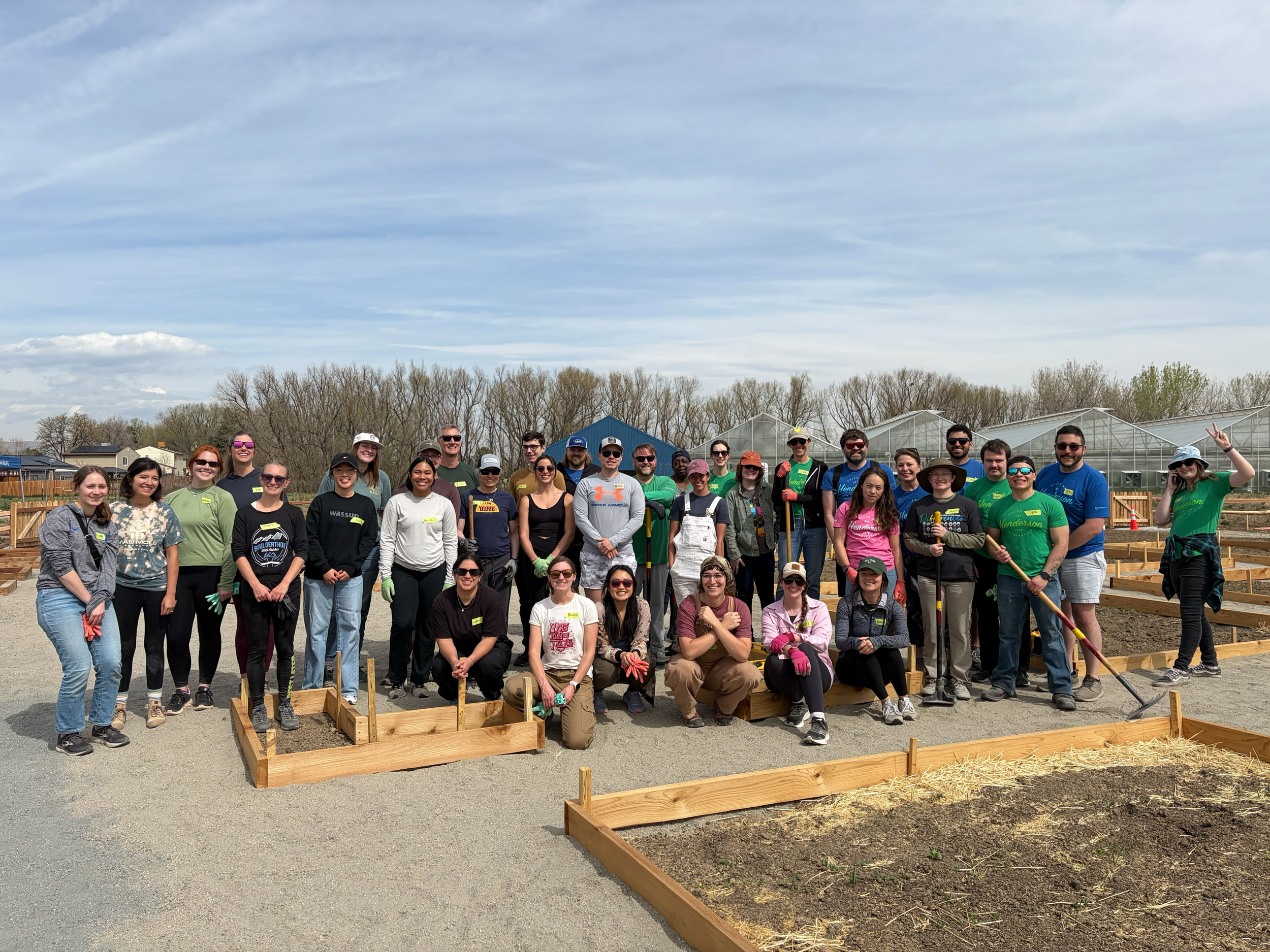
Volunteering with Denver Urban Gardens
In April, the Lotus team participated in another volunteering event with Denver Urban Gardens (DUG) to build a new community garden in Southwest Denver. The Lotus team in collaboration with other volunteers spent the morning building garden plots, making gravel pathways, lifting reclaimed lumber, and other various tasks. Learn more about Denver Urban Gardens here!
Photo courtesy of Denver Urban Gardens
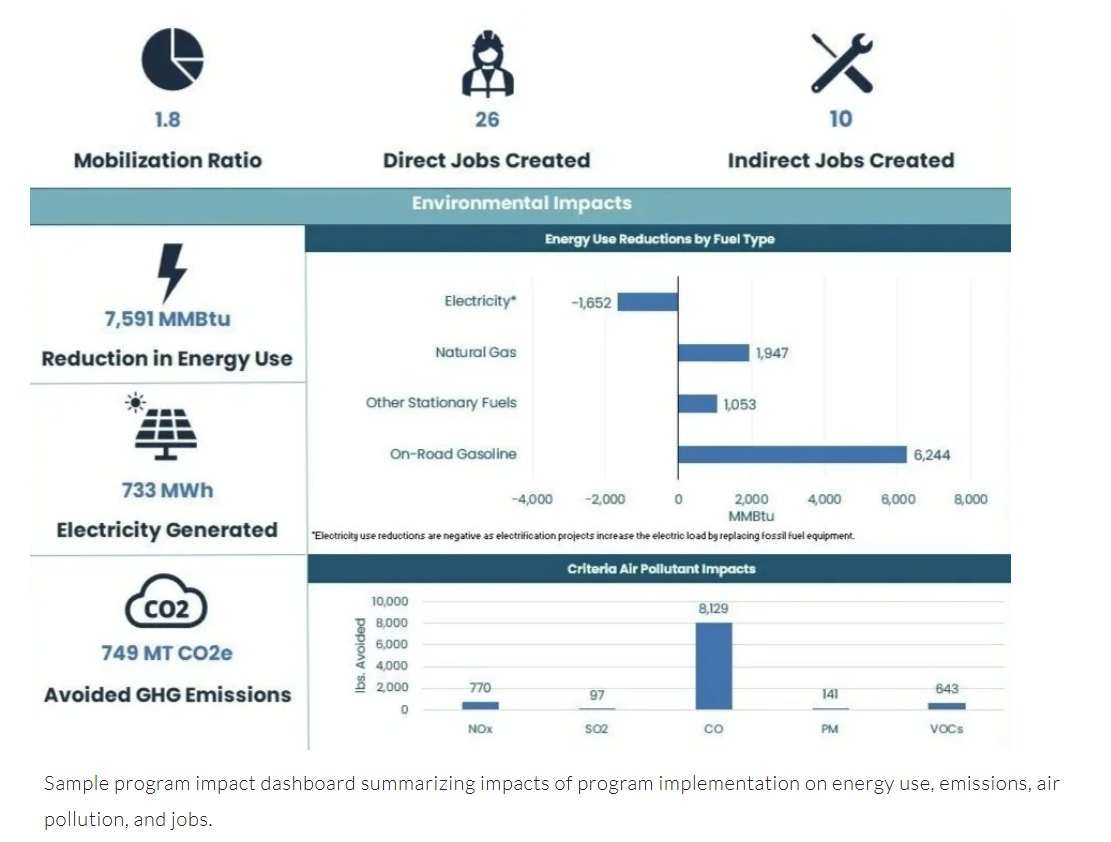
Green Bank Support
Our team is skilled at assessing the environmental, economic, and social impacts across incentive, policy, financing, and market transformation programs. Our program impact evaluation tools make it simple and efficient to comply with state and federal reporting requirements and provide transparency to the public when communicating results. Lotus has applied these tools to effectively measure and communicate impacts for green banks, public and private-sector grant programs, and Community Development Financial Institutions.
Key services Lotus provides to green banks include: 1) building a simple Excel-based calculator to designing a more robust tool that automatically imports complex data; 2) dashboard and StoryMap/Map Tours to highlight and report program metrics 3) creating case studies and social media plans to communicate the impact; and 4) grant program creation. More information can be found in the attached one pagers.
If your green bank is looking for support please contact Lotus at hello@lotussustainability.com.
Project Highlights

Metro Cohort Model Code
Lotus worked in partnership with Southwest Energy Efficiency Project (SWEEP), Shums Coda Associates, and a cohort of local governments in the Denver metropolitan region to develop a custom energy code that jurisdictions can adopt. The Metro Cohort Model Code improves regional consistency, offers compliance flexibility without sacrificing performance, and reduces greenhouse gas emissions and pollution without mandating specific fuel types. The code is compliant with Colorado law, and the International Code Council has published it as an official and complete stand-alone code.
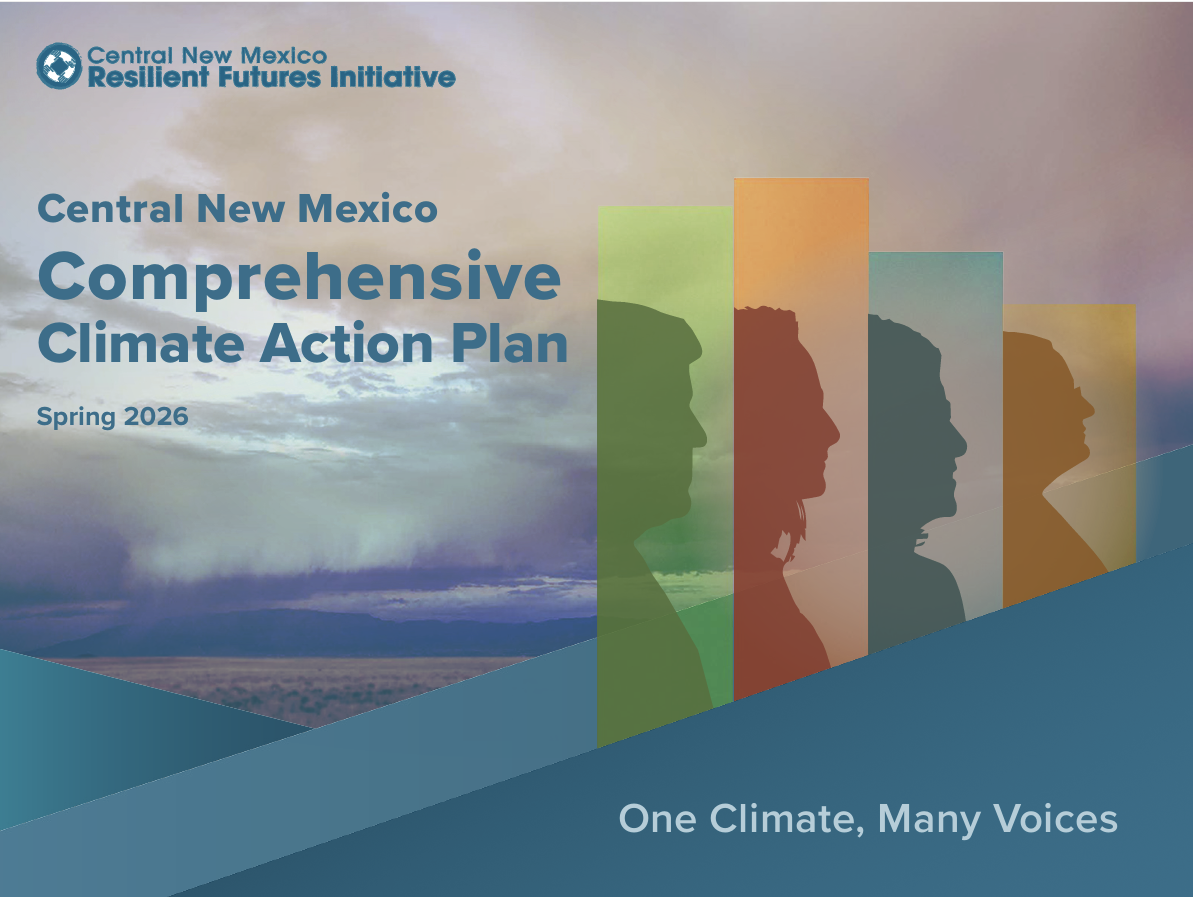
Central New Mexico Comprehensive Climate Action Plan
Lotus worked with the City of Albuquerque’s Central New Mexico Resilient Futures Initiative to complete several projects in support of its Comprehensive Climate Action Plan (CCAP). The final written CCAP, a collaborative, community-driven roadmap to reduce climate pollution, improve health and resilience, and build a thriving future for Central New Mexico. Key objectives of the plan include reducing climate pollution, centering the needs of vulnerable communities, fostering economic transformation, and inspiring collection action.
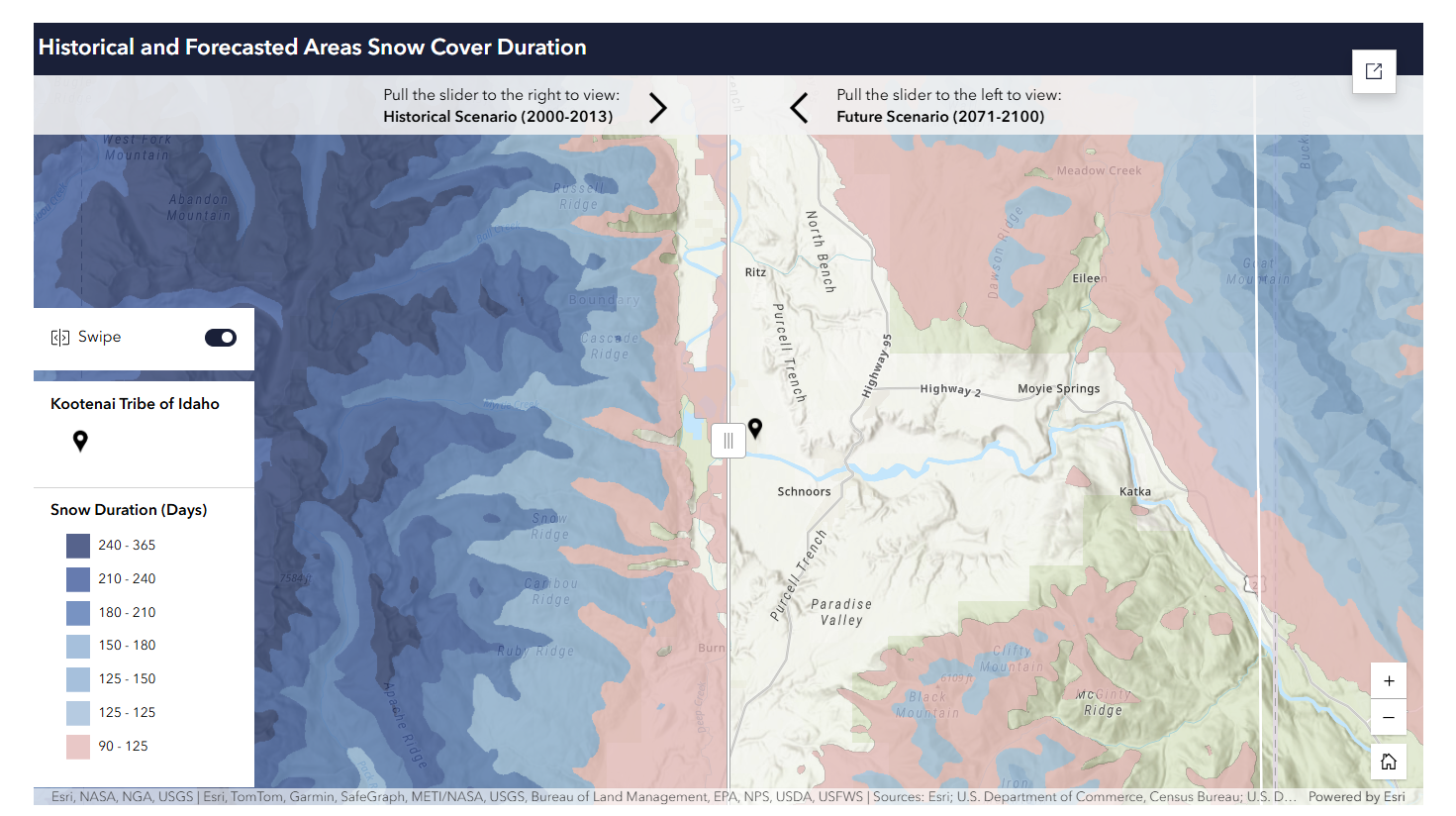
Kootenai Tribe of Idaho Climate Vulnerabilities and Resources for Resilience StoryMap
Lotus partnered with Measure Meant to create a StoryMap for the Kootenai Tribe of Idaho describing climate vulnerabilities and actions for resilience. Lotus developed a series of interactive maps embedded in the StoryMap that highlight the impacts of climate change on key metrics including snow water equivalent, extreme heat, wildfire danger, stream temperature, and species habitats. Lotus analyzed data for these maps from climate forecast models and created custom web maps in ArcGIS Online. These maps, along with content developed by Measure Meant and the Kootenai Tribe of Idaho, tell an engaging story of the vulnerabilities that may stem from climate change and key actions for how to address them.
Learn with us!
LOTUS EQUITY PRESENTATIONS OCCUR MONTHLY TO EXPAND OUR LEARNING AND GROWTH. BELOW ARE RESOURCES WE ARE EXCITED TO SHARE.

Accessible Graphic Design
The Lotus team discussed ADA compliance and accessibility best-practices for graphic design, including font and grammar choices, color contrast, alternative text, figures and data visualizations, and more. Government entities are required by various federal, state, and local regulations to meet certain digital accessibility requirements. This ensures people of different abilities are able to access the same important information and allows assistive technology to properly convey the content. A few key tips include: choosing sans-serif fonts for better readability, choosing high-contrast colors for text and graphics, using left or middle-aligned text, and hyperlinking using descriptive text.
The Adobe contrast checker and color blindness simulator are great tools for ensuring color contrast is easy to see. Adobe also has a helpful video series on how to remediate PDFs for accessibility.
Check out The Accessibility Guy on YouTube for step-by-step walkthroughs of nearly any other accessibility topics or issues.

Working with English Language Learners
The Lotus team learned about the equity impacts of low adult literacy rates in the U.S, significant language isolation in Colorado counties and socioeconomic disparities faced by Spanish-speaking residents in Colorado. The team participated in a simulation activity, where team members were asked to answer comprehension questions to various written and spoken stories in another language. Some groups were given access to support “scaffolds,” allowing them to use visual and auditory clues to aid in their understanding.
The activity illustrated how some members of the communities we serve may experience challenges in using the tools and resources we develop for them, and highlighted effective tactics for communicating information across language barriers. The team then thoughtfully considered how to implement best practices for scaffolding for English language learners to ensure the work Lotus does is accessible to all.